
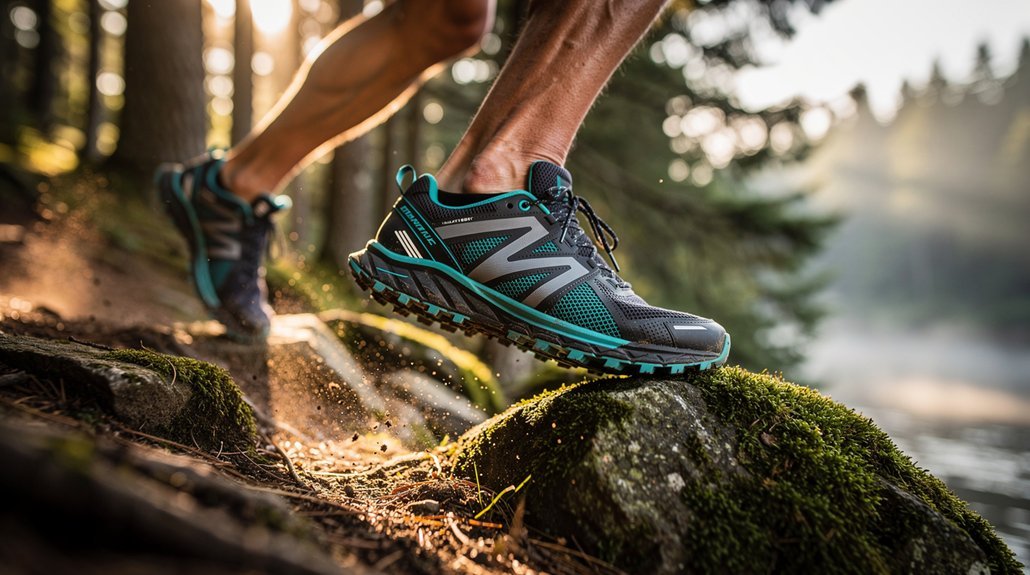
You’ve probably noticed how rough terrain can turn a simple jog into a challenge, especially when you’re looking for a shoe that balances cushioning, stability, and grip without weighing you down. The Merrell Morphlite Trail sneakers promise exactly that, with a plush midsole and reinforced toe caps designed to keep you steady on uneven paths. But how do those features stack up against the specific needs of active seniors? Let’s break down the key factors you should consider before deciding.
| Merrell Men’s Morphlite Trail Sneakers | 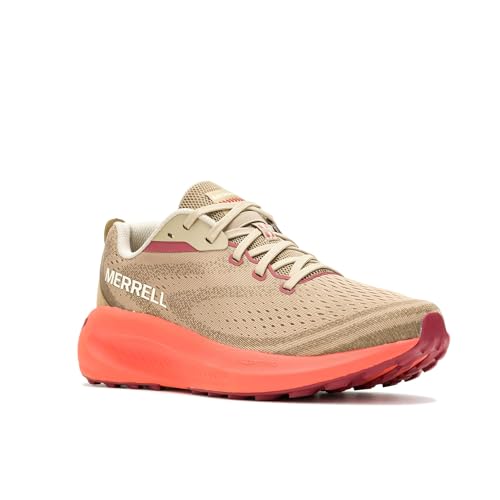 | Most Versatile | Terrain Versatility: Road‑to‑trail capability | Cushioning Technology: Morphlite foam | Traction Design: Custom lug pattern with deeper perimeter lugs | CHECK ON AMAZON | Read Our Analysis |
More Details on Our Top Picks
Merrell Men’s Morphlite Trail Sneakers
Looking for a shoe that lets you, a senior runner, comfortably tackle both pavement and rugged paths? Merrell’s Morphlite Trail Sneakers deliver that dual‑terrain promise. Their proprietary Morphlite foam cushions each stride, giving premium comfort without adding bulk. A custom lug pattern sits under the foot’s center, granting smooth road glide, while deeper perimeter lugs bite into loose soil and rocks for reliable trail traction. This balanced design lets you transition from city sidewalks to forest trails without swapping shoes. Whether you’re clocking miles on asphalt or navigating uneven paths, the Morphlite keeps you steady, supported, and confident.
- Terrain Versatility:Road‑to‑trail capability
- Cushioning Technology:Morphlite foam
- Traction Design:Custom lug pattern with deeper perimeter lugs
- Intended Use:Mixed‑surface running (road, trail, cross‑terrain)
- Comfort Focus:Premium comfort for active seniors
- Grip Placement:Lugs centered for road, perimeter for trail
- Additional Feature:Dual-purpose technologies
- Additional Feature:Road‑center lug pattern
- Additional Feature:Increased depth peripheral lugs
Factors to Consider When Choosing Trail Running Shoes for Active Seniors Who Run on Rough Terrain
You’ll want shoes that cushion each step and absorb impact, keeping joints comfortable on rugged paths. Look for heel stability and solid support so you stay balanced on uneven terrain, and make sure the outsole offers reliable traction. A lightweight, easy‑on‑off design will let you move freely without hassle.
Cushioning and Impact Absorption
How much cushioning do you really need on a rugged trail? You’ll want enough stack height and advanced foam to soak up repeated impacts, keeping joint strain low during long hikes. But if the shoe feels too stiff or doesn’t fit snugly, shock will travel up your feet and legs, increasing vibration on uneven ground. Look for midsoles that disperse force across the entire foot, not just the heel or midfoot, and check the heel‑to‑toe drop for a smooth transition on descents. Compression characteristics matter too—softer foams absorb peaks, while firmer zones maintain stability. Striking the right balance between plush cushioning and proprioceptive feedback lets you stay confident and stable on rough terrain without sacrificing comfort.
Heel Stability and Support
While plush midsoles keep joint strain low, the heel still needs a solid anchor on uneven ground. A secure heel counter and structured upper keep your foot from wobbling side‑to‑side, giving you confidence on rocky paths. Look for a snug heel cup that works with responsive midsole foam to lessen Achilles strain and sharpen landing control. Uniform, deep heel padding stops slip and blisters, especially on steep descents where a modest heel‑to‑toe drop can help maintain alignment. Too high a drop may dull ground feel, so balance stability with sensory feedback. Finally, a stiff heel plate and midsole geometry that shift impact away from the heel boost overall stability on loose, irregular terrain.
Traction on Uneven Surfaces
Grip is the cornerstone of confidence on rugged trails, and for active seniors it hinges on a few key design features. You’ll want deeper, multi‑directional lugs that bite into loose gravel and roots, shedding mud while you keep moving. A wider outsole spreads your weight across ridges, reducing the chance of a slip on an uneven edge. Look for Vibram or similar high‑traction rubber compounds; they stay grippy on both dry stone and damp dirt. Reinforced toe caps and solid midsole support keep the shoe from twisting when you step on a rock ledge. Finally, a lug pattern that concentrates grip around the perimeter while leaving the midfoot smoother helps you transition smoothly between terrain changes, boosting both traction and stability.
Lightweight Construction for Comfort
A lightweight trail shoe cuts fatigue on rugged paths by letting each step cost less energy, so you can keep a steady cadence without feeling weighed down. You’ll notice that streamlined uppers and a thinner midsole let you move faster while still cushioning each landing. Responsive foams in the midsole absorb impact without adding bulk, and a lighter outsole rigging gives you quick terrain adaptation. When you compare models, prioritize a modest weight advantage but don’t sacrifice arch support or toe protection—these features keep your footing stable on rocks and roots. Choosing a shoe that balances feather‑like mass with enough structural support lets you maintain a quicker cadence, reduce stumble risk, and enjoy longer, more comfortable runs on uneven trails.
Easy On‑Off Design Features
Choosing trail shoes with easy‑on‑off features saves you time and strain on the trail. Look for a wide toe box and a pull‑tab loop that let you slip the shoe on without bending over, which eases pressure on your knees and back. Slip‑resistant heel counters lock in place instantly, so you don’t need to fiddle with extra lacing after each hike. Elastic laces or quick‑lace systems let you tighten or loosen with one hand, perfect if dexterity is limited. Velcro hooks combined with a supportive upper give a secure closure that stays put without constant adjustment. Finally, lightweight, flexible uppers with minimal seams and padded openings prevent snagging, making removal effortless on rough terrain.
Frequently Asked Questions
Do These Shoes Have Built‑In Arch Support for Flat Feet?
You’ll find built‑in arch support in most models, so they cushion flat feet while stabilizing each step on uneven ground, giving you confidence and comfort during long, rugged trail runs.
Can I Wear Them With Thick Compression Socks?
Yes, you can wear them with thick compression socks; the shoes’ roomy toe box and flexible upper will accommodate the extra bulk, and the supportive midsole keeps your feet stable on rough terrain.
What Is the Break‑In Period for These Trail Sneakers?
You’ll feel them loosening after about three to five short runs, but give the shoes a week of regular use—roughly ten miles total—to fully adapt to your foot shape and terrain.
Are They Compatible With Orthotic Inserts?
Yes, they’re compatible with orthotic inserts; the roomy toe box and removable insoles let you slide your custom orthotics in, and the supportive midsole still cushions each stride.
Do They Have Reflective Elements for Night Running?
You’ll find reflective strips on the uppers and laces, so you stay visible at night. The shoes also feature bright logos and reflective overlays that catch headlights, making early‑morning or dusk runs safer.


Leave a Reply