
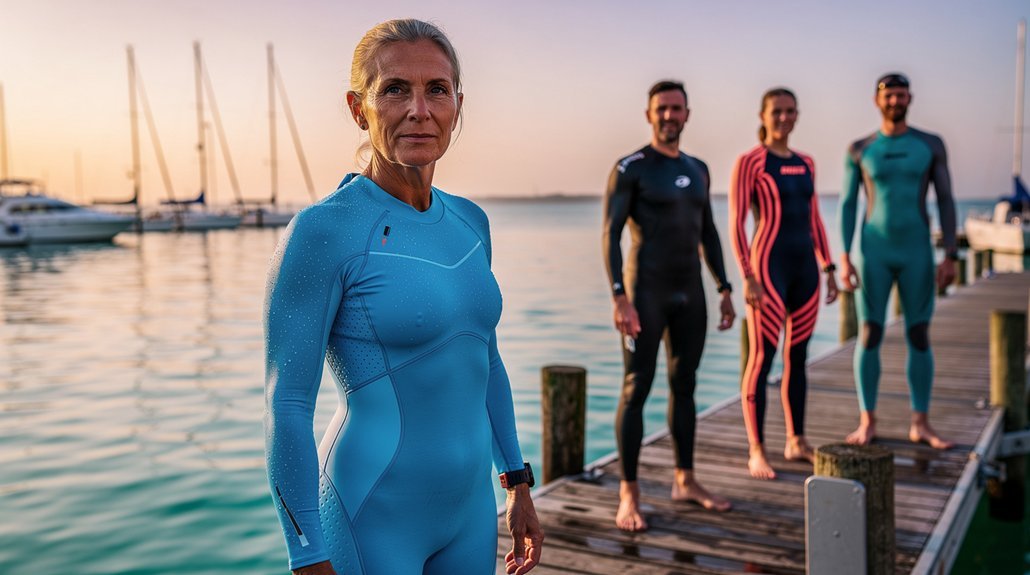
You’re looking for a wetsuit that keeps you buoyant without sacrificing flexibility, and that’s especially important as you age and your recovery slows. The 2026 lineup offers options that balance core lift, smoothskin drag reduction, and easy entry, all while respecting your budget and comfort. Each model brings a unique mix of panel placement, zipper durability, and fit nuances that could make your next open‑water swim feel noticeably easier. Let’s compare the key features and see which one aligns best with your needs.
| Synergy Triathlon Wetsuit 3/2mm Full Sleeve Neoprene | 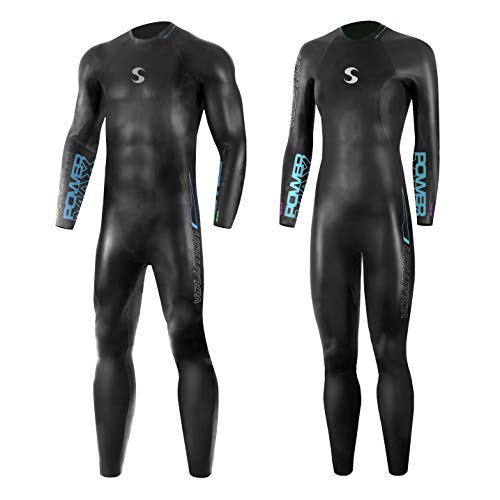 | Best Overall | Core Thickness: 3/2 mm (3 mm core, 2 mm limbs) | Zipper Type: YKK internal anti‑corrode zipper | Buoyancy Panel: 3 mm core buoyancy panel | CHECK ON AMAZON | Read Our Analysis |
| Zoot Men’s Manta Wetsuit – Flexible Buoyant Comfortable | 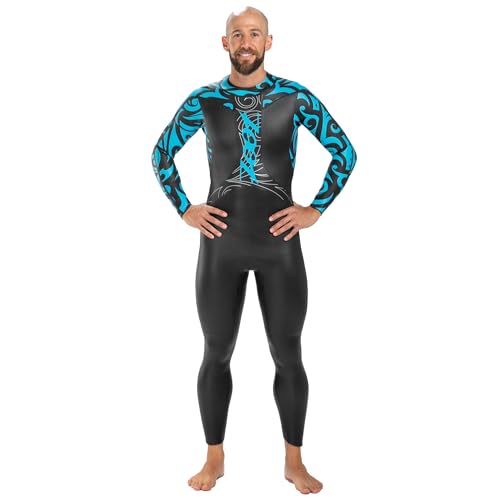 | Performance Elite | Core Thickness: 5 mm/4 mm panels, 2 mm stretch zones | Zipper Type: Stainless‑steel YKK zipper (front) | Buoyancy Panel: AQUAlift buoyancy panels (hips/legs) | CHECK ON AMAZON | Read Our Analysis |
| Synergy Triathlon Wetsuit 3/2mm Volution Sleeveless Neoprene |  | Lightweight Champion | Core Thickness: 3/2 mm (3 mm core, 2 mm limbs) | Zipper Type: YKK internal anti‑corrode zipper | Buoyancy Panel: 3 mm core buoyancy panel | CHECK ON AMAZON | Read Our Analysis |
| Men Women 3mm Smoothskin Triathlon Wetsuit |  | Warmth Specialist | Core Thickness: 3 mm overall | Zipper Type: Back zipper (material not specified) | Buoyancy Panel: Max buoyancy (3 mm smoothskin) | CHECK ON AMAZON | Read Our Analysis |
| Seaskin 3mm Shorty Full-Body Wetsuit (Unisex) | 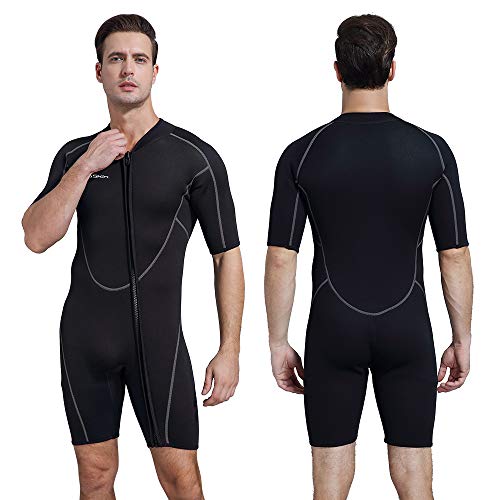 | Versatile Classic | Core Thickness: 3 mm overall | Zipper Type: Heavy‑duty YKK front zipper | Buoyancy Panel: Not explicitly listed (standard neoprene) | CHECK ON AMAZON | Read Our Analysis |
More Details on Our Top Picks
Synergy Triathlon Wetsuit 3/2mm Full Sleeve Neoprene
Looking for a wetsuit that boosts buoyancy without sacrificing freedom of movement? The Synergy Triathlon 3/2mm Full Sleeve Neoprene delivers a 3 mm core buoyancy panel and 2 mm lower legs and back, giving you extra float while keeping your stroke fluid. Its smoothskin on both sides slides through water, and the silicone‑coated SyPrene reduces drag. The high‑grade YKK zipper offers a snug seal with minimal neck restriction, so you can focus on breathing. Available in a wide size range, it fits athletes of all levels, and the anti‑corrode zipper ensures durability. Register for the one‑year warranty to protect your investment.
- Core Thickness:3/2 mm (3 mm core, 2 mm limbs)
- Zipper Type:YKK internal anti‑corrode zipper
- Buoyancy Panel:3 mm core buoyancy panel
- Smoothskin Surface:Smoothskin on both sides
- Fit Guidance:Wide size range, athlete‑endorsed
- Warranty:1‑year warranty (registration required)
- Additional Feature:Silicone‑coated SyPrene
- Additional Feature:Athlete‑endorsed design
- Additional Feature:Low‑neck comfort
Zoot Men’s Manta Wetsuit – Flexible Buoyant Comfortable
Who needs a wetsuit that both lifts you in the water and lets you move freely? The Zoot Manta does just that with certified Yamamoto #38 neoprene, a hydrophobic SCS coating, and UPF 50+ liner. Its AQUAlift panels raise hips and legs, while 5 mm/4 mm zones give buoyancy without restricting motion. Two‑millimeter stretch zones at shoulders and arms enable natural rotation, and the gender‑specific ergonomic shaping plus Optimal Kick Design keep your kick efficient. GLIDEflex chest panels expand as you breathe, and DORSALflex back zipper eases lower‑back tightness. Durable seams, stainless‑steel YKK zipper, and a two‑year warranty make it race‑ready for senior triathletes.
- Core Thickness:5 mm/4 mm panels, 2 mm stretch zones
- Zipper Type:Stainless‑steel YKK zipper (front)
- Buoyancy Panel:AQUAlift buoyancy panels (hips/legs)
- Smoothskin Surface:Not smoothskin (standard neoprene)
- Fit Guidance:Choose smaller size for performance fit
- Warranty:2‑year warranty against defects
- Additional Feature:SCS hydrophobic coating
- Additional Feature:GLIDEflex chest panels
- Additional Feature:Optimal Kick Design (OKD)
Synergy Triathlon Wetsuit 3/2mm Volution Sleeveless Neoprene
If you’re a senior triathlete who needs extra buoyancy without sacrificing speed, the Synergy Triathlon Wetsuit 3/2 mm Volution Sleeveless Neoprene delivers exactly that. Its 3 mm core buoyancy panel and 2 mm legs and back give you a higher float while the smoothskin neoprene reduces drag. The sleeveless cut and low‑neck design keep you cool and unencumbered, and the YKK anti‑corrode zipper adds durability with minimal resistance. You’ll enjoy a full range of motion, thanks to flexible neoprene on both sides. The suit comes in a wide size range, fits all levels, and includes a one‑year warranty after registration.
- Core Thickness:3/2 mm (3 mm core, 2 mm limbs)
- Zipper Type:YKK internal anti‑corrode zipper
- Buoyancy Panel:3 mm core buoyancy panel
- Smoothskin Surface:Smoothskin on both sides
- Fit Guidance:Wide size range, athlete‑endorsed
- Warranty:1‑year warranty (registration required)
- Additional Feature:Quick‑John smoothskin
- Additional Feature:Sleeveless freedom
- Additional Feature:Anti‑corrode YKK zipper
Men Women 3mm Smoothskin Triathlon Wetsuit
The 3 mm Smoothskin triathlon wetsuit is the ideal pick for senior triathletes who need maximum buoyancy without sacrificing flexibility. Its smoothskin neoprene outer layer, enhanced with a nano‑silicone coating, feels ultra‑soft and lets you glide through water effortlessly. Inside, a polyester hollow‑fibre liner adds nearly double the buoyancy of standard 3 mm diving suits, keeping you higher and faster. A back zipper and double super‑seal neck provide easy entry and thermal protection in cold water. The stretchy, open‑water design fits both men and women, while care is simple—rinse, avoid direct sun, and hang dry on a wide hanger.
- Core Thickness:3 mm overall
- Zipper Type:Back zipper (material not specified)
- Buoyancy Panel:Max buoyancy (3 mm smoothskin)
- Smoothskin Surface:Smoothskin neoprene (nano silicone coating)
- Fit Guidance:Unisex, stretchy design, open‑water fit
- Warranty:Not specified
- Additional Feature:Nano silicone coating
- Additional Feature:Double superseal neck
- Additional Feature:Wide sport versatility
Seaskin 3mm Shorty Full-Body Wetsuit (Unisex)
Seaskin’s 3 mm shorty full‑body wetsuit is the top pick for senior triathletes who need a snug, warm fit without sacrificing flexibility, because its three‑layer construction—elastic nylon outer, 90% neoprene middle, and soft inner skin—locks in heat while allowing unrestricted movement in open‑water swims. You’ll appreciate the heavy‑duty YKK front zipper for quick entry and exit, and the flat‑lock seams that stay comfortable even after long sessions. The suit fits tightly after a few wears, so follow the size chart for a perfect seal. Handwash in cold water, flat‑dry, and avoid bleach or iron. Its 4.4‑star rating confirms reliability for cold‑water races.
- Core Thickness:3 mm overall
- Zipper Type:Heavy‑duty YKK front zipper
- Buoyancy Panel:Not explicitly listed (standard neoprene)
- Smoothskin Surface:Not smoothskin (standard neoprene)
- Fit Guidance:Snisex, snug fit, refer to size chart
- Warranty:Not specified
- Additional Feature:Front heavy‑duty YKK zipper
- Additional Feature:Flat‑Lock stitched seams
- Additional Feature:Triple‑layer construction
Factors to Consider When Choosing Open-Water Swim Wetsuits for Senior Triathletes
When you pick a wetsuit, check its buoyancy and floatation to keep you stable without over‑lifting. Balance neoprene thickness so you stay warm but retain flexibility for a smooth stroke, and choose a low‑drag zipper that doesn’t hinder movement. Finally, assure the fit adapts to your body’s range of motion while providing thermal comfort in colder water.
Buoyancy and Floatation
Ever wondered how a wetsuit’s buoyancy can keep your hips high and your legs steady during a long open‑water swim? Core panels—usually 3 mm thick—plus strategic 4–5 mm zones lift your hips and legs, giving you a streamlined position that cuts drag. Designs like AQUAlift target those lift zones without choking shoulder rotation, so you stay efficient. Senior triathletes benefit from that extra floatation because it reduces the effort needed to stay afloat, preserving energy for the later bike and run. Materials matter too; Yamamoto neoprene with hydrophobic coatings or smooth‑skin panels feel lighter and more buoyant. Just remember: too much buoyancy in non‑critical areas can hinder your stroke, so aim for a balanced, purposeful lift.
Neoprene Thickness Balance
Buoyancy gives you the lift you need, but the right neoprene thickness determines whether that lift feels supportive or restrictive. Pair a 3 mm core buoyancy layer with 2 mm panels on the lower limbs or back to keep your torso afloat while your legs stay agile. The 3/2 mm layout boosts floatation where you need it most and lightens the legs, reducing fatigue during long open‑water stretches. Choose sleeved designs for extra warmth if water’s cold, but remember sleeves can limit shoulder range—sleeveless options preserve mobility for senior triathletes. Match thickness to water temperature and your endurance level; too much buoyancy adds drag, while too little leaves you sluggish. Balance these factors, and you’ll maintain steady energy without over‑restrictive stiffness.
Zipper Type and Drag
Which zipper you choose can make or break your glide through open water. Internal zippers—especially YKK models—sit flush inside the suit, keeping the water flow smooth and minimizing drag. Look for anti‑corrode designs; they stay supple over time, preventing the stiffness that can create turbulence. Full‑length or high‑quality internal zippers give a snug neck and torso fit, cutting loose seams that otherwise pull water. Back‑placed zippers usually pair with streamlined shells, reducing frontal resistance more than chest placements. Finally, a coated or smooth‑skin exterior around the zipper slashes adhesion, letting you slip through the water with less friction. Choosing the right zipper type and placement directly translates to faster, more efficient strokes.
Fit Flexibility for Mobility
Choosing a zipper that minimizes drag sets the stage for a suit that also moves with you, and that’s where fit flexibility becomes a game‑changer. You’ll want a wetsuit that lets your shoulders swing freely, so check the sleeve style: full‑sleeve models add buoyancy but can curb overhead reach, while sleeveless options give you arm freedom at the cost of core warmth. Aim for 2–4 mm arm panels or 2 mm stretch zones to preserve natural rotation and cut fatigue on long open‑water swims. A torso thickness of around 3/2 mm offers balanced buoyancy without feeling stiff. Look for smooth‑skin or glide‑friendly panels that reduce drag while allowing easy chest and shoulder flexion. Finally, a well‑fitted neck and back zipper prevents irritation and lets you enter and exit the water comfortably.
Thermal Comfort in Cold Water
Ever wondered how a wetsuit can keep you warm without sacrificing speed in icy open‑water swims? You’ll want a 3/2 mm construction: the thicker 3 mm core boosts buoyancy, letting you float effortlessly and maintain head position while the 2 mm limbs stay flexible for a smooth stroke. Choose a back or full‑length zipper; it slides in quickly and seals the torso, cutting heat loss during transitions. Look for smoothskin or hydrophobic coatings—they shave drag and keep a thin water film from flushing away your body heat. If you’re prone to chill, opt for full sleeves; they trap more warmth than sleeveless designs. Strategic paneling, like a 3 mm torso paired with 2 mm arms, gives you the perfect balance of buoyancy, flexibility, and thermal protection.
Durability and Wear Resistance
Wondering how a wetsuit can stay intact season after season? You’ll want high‑grade internal zippers—YKK is a solid choice—because they cut drag and survive countless entries without snagging. Look for smoothskin or coated neoprene; its abrasion‑resistant surface keeps flexibility even after long miles. Reinforced seams, using flatlock stitching and seam taping, stop fraying and tearing when you twist and turn in the water. Durable panels in buoyancy zones, like AQUAlift‑style or strategically placed 5 mm/4 mm sections, distribute stress during lifts so the suit doesn’t stretch out. Finally, protective coatings such as SCS hydrophobic on Yamamoto neoprene shield the material from salt and chlorine, extending the suit’s life in open‑water conditions.
Ease of Entry and Exit
How easily you can slip in and out of a wetsuit can make or break a senior triathlete’s changeover. A back‑zip design usually beats front‑zip or shoulder‑zip because it avoids neck and shoulder strain while you’re on the dock. Look for sleeved suits with smooth‑skin panels that glide over your skin, minimizing irritation and speeding up dressing. If shoulder mobility is limited, a sleeveless or short‑sleeve model gives you a wider opening, though you’ll sacrifice a bit of warmth. Choose a zip made from anti‑corrosion YKK or a comparable premium material; it won’t snag on your arms or the suit’s seams. Finally, ensure the fit is snug but not overly tight—too tight, and the wetsuit will ride up or catch as you pull it on or off in open water.
Frequently Asked Questions
Can I Wear a Wetsuit Over a Compression Shirt?
Yes, you can wear a wetsuit over a compression shirt; just make sure the shirt’s thin, smooth, and fits snugly so the wetsuit slides on easily and doesn’t trap excess water or restrict movement.
Do Wetsuits Affect Buoyancy in Cold Water?
Yes, wetsuits increase buoyancy in cold water; the neoprene’s thickness traps air, lifting you higher, reducing drag, and helping you stay afloat more easily during your swim.
How Often Should I Replace My Senior‑Athlete Wetsuit?
You should replace your senior‑athlete wetsuit every 2–3 years, or sooner if the seams split, the neoprene stiffens, or the fit feels loose, because wear reduces buoyancy and flexibility.
Are There Wetsuits With Built‑In Anti‑Chafing Panels?
Yes, many modern wetsuits feature built‑in anti‑chafing panels—usually silicone or textured neoprene strips—so you’ll stay comfortable during long open‑water swims without extra accessories.
Can I Rent a Wetsuit for a One‑Time Race?
Yes, you can rent a wetsuit for a one‑time race; most local triathlon clubs, specialty shops, and online platforms offer short‑term rentals, often with flexible pickup and return options.



Leave a Reply