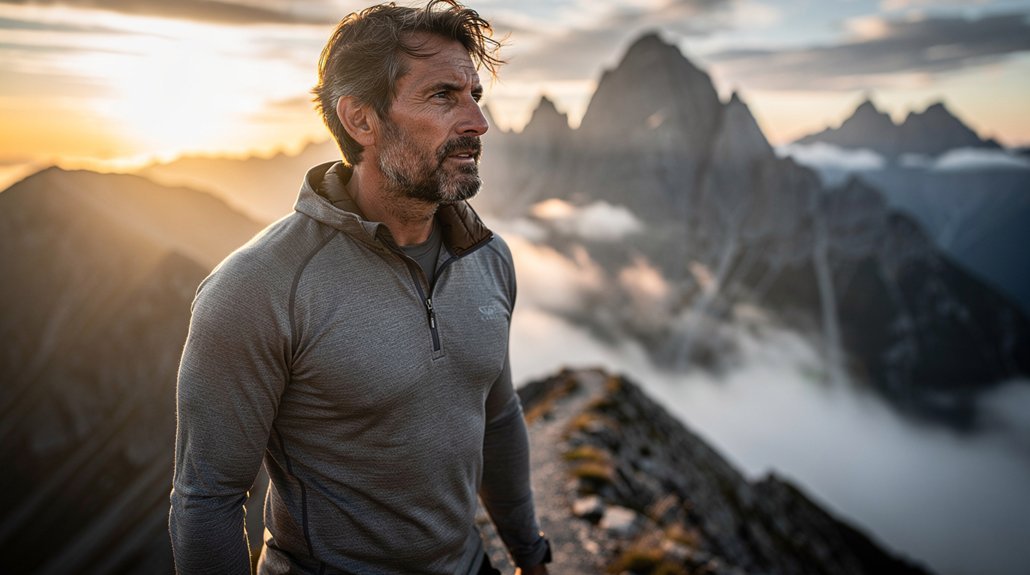
You’ve probably noticed how a good base layer can make or break a hike, especially when age brings slower recovery and heightened sensitivity. In 2026 the top Merino options blend ultra‑soft, itch‑free fibers with temperature‑regulating warmth, all while staying light, breathable, and resistant to odor and sun. Their durability and easy‑care design mean you won’t spend time battling pilling or shrinkage after a long trek. Curious which model actually delivers on those promises?
| Merino Wool Base Layer Long Sleeve Thermal Shirt | Best Overall | Material: 100% Merino wool | Weight Options: Heavyweight, Midweight, Lite | Seasonality: Four‑season temperature regulation | CHECK ON AMAZON | Read Our Analysis |
More Details on Our Top Picks
Merino Wool Base Layer Long Sleeve Thermal Shirt
Looking for a base layer that stays soft, warm, and itch‑free all day? You’ll love the Merino Wool Base Layer Long Sleeve Thermal Shirt. Its 100 % Merino wool feels ultra‑soft and never scratches, while the form‑fit cut adds warmth without bulk. You get natural temperature regulation for all four seasons, plus UPF 20 sun protection and odor resistance—perfect for long hikes or travel. It’s lightweight, wrinkle‑resistant, and washer/dryer safe, though hand‑washing and flat‑drying extend its life. With a lifetime warranty, this shirt handles trail, gym, office, or night out without compromise.
- Material:100% Merino wool
- Weight Options:Heavyweight, Midweight, Lite
- Seasonality:Four‑season temperature regulation
- Care Method:Washer/dryer safe; hand wash & lay flat recommended
- Sun Protection:UPF 20
- Warranty:Lifetime warranty
- Additional Feature:Odor‑resistant performance
- Additional Feature:Form‑fit without bulk
- Additional Feature:Lifetime warranty coverage
Factors to Consider When Choosing Merino Wool Base Layers for Older Adults Who Hike in Changing Temperatures
You’ll want a layer that balances temperature regulation and comfort while staying light enough not to bulk you down on the trail. Choose fabrics that are itch‑free for sensitive skin, easy to care for, and durable enough to survive frequent washes. Look for added sun protection and odor‑resistance so you stay fresh and protected as temperatures shift.
Temperature Regulation and Comfort
When temperatures swing from crisp mornings to sun‑kissed afternoons, a merino wool base layer works like a personal thermostat—drawing heat when you’re cold, releasing it when you warm up. Its natural temperature‑regulating fibers adapt to your body heat, so you stay snug on a chilly ridge and comfortable on a sun‑lit summit without constantly adding or removing layers. Moisture‑wicking moves sweat away, preventing that damp chill that can sap energy during rapid weather shifts. Breathability lets excess heat escape, while the insulating structure retains warmth when the air drops. Odor‑resistance means you can hike longer without frequent washes, and the itch‑free softness reduces irritation, keeping you focused on the trail rather than on discomfort.
Weight and Bulkiness
If you prefer warmth without feeling weighed down, choose a merino weight that balances insulation and packability. Heavier‑weight layers give extra heat for cold pockets, but their bulk can hinder movement and make layering under shells awkward. Midweight options strike a middle ground, offering structure without the puffiness of heavyweight fabrics, so you stay agile and your pack stays tidy. A form‑fit cut reduces chafing and keeps joints comfortable during long ascents, while wrinkle‑resistant yarns stay neat in your pack and let you dress quickly between stops. For fluctuating temps, pick a weight that slides on easily, delivering enough warmth without adding unnecessary mass or restricting mobility under outer layers.
Skin Sensitivity and Itch‑Free
Balancing weight and bulk is great, but the next factor that matters most for older hikers is how the fabric feels against the skin. You’ll want a layer that’s truly itch‑free, and 100 % merino wool delivers that with its ultra‑soft, smooth fibers. The natural texture stays gentle even during long days, minimizing friction that can aggravate sensitive skin. Because merino regulates temperature and resists odor, you’ll sweat less, and excess moisture won’t linger to irritate. Its form‑fitting, non‑bulky design keeps the layer close without rubbing, while easy‑care instructions preserve softness over countless washes. Choosing a merino base layer that stays soft and breathable protects your skin and lets you focus on the trail, not on discomfort.
Durability and Care Ease
Ever wonder how a base layer can stay strong and comfortable after dozens of hikes and washes? You’ll appreciate merino’s natural elasticity, which resists wear and keeps its shape even after repeated outings and laundry cycles. Look for lightweight to midweight options; they balance durability with flexibility for shifting temperatures. The fibers naturally reduce pilling and snagging, so the surface stays smooth on rugged trails. Choose a fabric that’s machine‑washable and tumble‑dryable to save time, but remember that hand‑washing and air‑drying can extend lifespan. A solid guarantee or lifetime warranty adds peace of mind, especially when you trek through diverse, changing climates. These factors ensure your base layer remains reliable season after season.
Sun Protection and Odor Resistance
Beyond staying tough through washes, a good base layer also shields you from the sun and keeps odors at bay. Merino’s natural UPF 20 blocks a solid slice of UV rays, so you stay safe on exposed trails without adding a separate sun shirt. Its fibers fight odor by resisting bacterial growth, letting you hike multiple days before a wash. That endurance means you won’t have to scrub or replace the layer often, preserving its softness and performance. Choose a weight that matches your climate—lightweight for warm days, heavyweight for cooler evenings—while keeping the same sun‑protective and odor‑controlling benefits. The moisture‑wicking breathability prevents overheating, so your skin stays comfortable as temperatures swing, and the layer stays fresh, ready for the next ascent.
Frequently Asked Questions
How Does Merino Wool Affect Skin Allergies in Older Hikers?
Merino wool typically soens irritation, but if you’re allergic to lanolin or have sensitive skin, you might still experience itching or rashes. Choose low‑lanolin, seamless options and wash them before hiking.
Can Merino Base Layers Be Machine Washed Without Shrinking?
You can machine wash merino base layers, but use cold water, gentle cycle, and lay them flat to dry; avoid high heat and harsh detergents, or they’ll shrink and lose softness.
What Is the Average Lifespan of a Merino Wool Base Layer?
You’ll get roughly three to five years from a merino wool base layer if you wash it gently, avoid high heat, and store it properly, so it stays soft and odor‑free throughout your hikes.
Do Merino Layers Provide UV Protection at High Altitudes?
Yes, merino layers block UV light, especially at high altitudes. You’ll notice they’re naturally sun‑protective, offering about UPF 10–15, so they reduce burn risk while keeping you warm and comfortable.
Are There Specific Merino Blends for Extra Warmth in Cold Climates?
You’ll find merino blends with added polyester or fleece fibers give extra warmth; they trap heat better while staying breathable, so choose a high‑percentage merino mix for cold‑climate hikes.