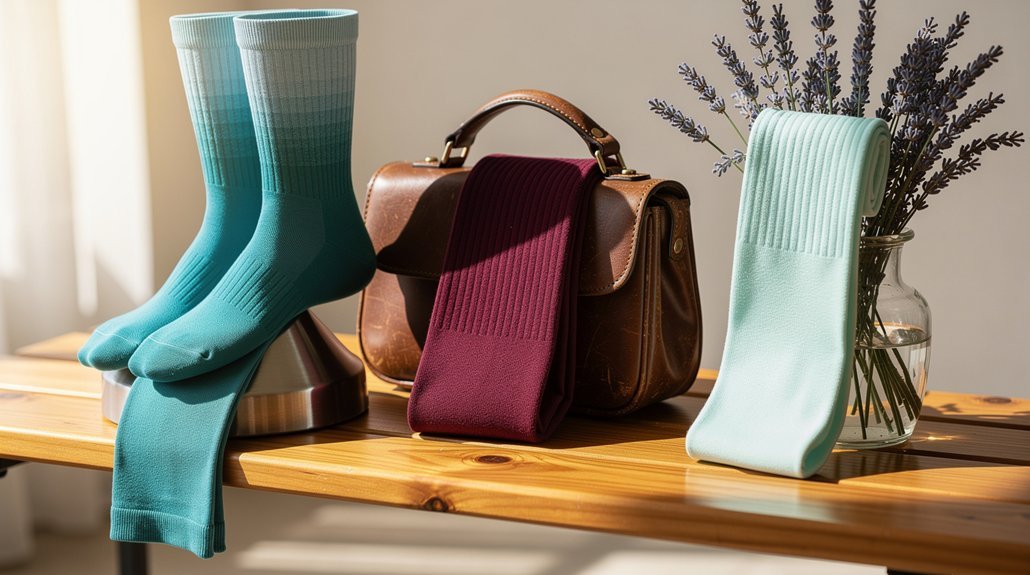
You spend hours on your feet, and the right compression socks can keep your legs feeling supported without sacrificing comfort. In 2026 the market offers three standout options that blend 20‑30 mmHg graduated compression with breathable, durable fabrics and non‑binding fits. Each model tackles swelling, shock absorption, and slip‑resistance in its own way, so you’ll want to see how they compare before deciding which pair fits your daily routine best.
| NEENCA Medical Compression Socks 20-30 mmHg for Women & Men |  | Professional Grade | Compression Level: 20‑30 mmHg (Class 1) | Material Blend: Nylon 65 % / Spandex 20 % / Polyester 8 % / Cotton 7 % | Toe Design: Closed toe with 6‑layer sole | CHECK ON AMAZON | Read Our Analysis |
| BraceAbility Diabetic Compression Socks (M Black) |  | Diabetic Specialty | Compression Level: Mild‑to‑moderate (unspecified) | Material Blend: Nylon‑spandex blend (unspecified percentages) | Toe Design: Toe‑less design | CHECK ON AMAZON | Read Our Analysis |
| Wide Diabetic Grip Socks Extra Long Non‑Binding Black (2 Pairs) |  | Extra Wide Comfort | Compression Level: Non‑binding (no specific mmHg) | Material Blend: Polyester 48 % / Rayon 32 % / Rubber 13 % / Spandex 7 % | Toe Design: Seamless toe | CHECK ON AMAZON | Read Our Analysis |
More Details on Our Top Picks
NEENCA Medical Compression Socks 20-30 mmHg for Women & Men
Looking for a sock that eases leg fatigue while you’re on your feet all day? NEENCA’s 20‑30 mmHg compression socks give you Class 1 medical support that doctors recommend, and they’re FSA/HSA‑eligible. The patented Ankle‑Tuck Compression Technique wraps six rings around your ankle, while a reinforced arch and 6‑layer sole cushions shock. Made from 65 % nylon, 20 % spandex, 8 % polyester, and 7 % cotton, they stay breathable, quick‑dry, and non‑slip. You’ll feel better circulation, reduced swelling, and joint lubrication during work, travel, pregnancy, or night wear—plus they’re lightweight, durable, and allergy‑friendly.
- Compression Level:20‑30 mmHg (Class 1)
- Material Blend:Nylon 65 % / Spandex 20 % / Polyester 8 % / Cotton 7 %
- Toe Design:Closed toe with 6‑layer sole
- Foot Fit:360° foot fit, non‑slip fabric
- Intended Use Cases:Daily wear, travel, pregnancy, sports, night wear
- Moisture Management:Breathable, fast‑dry, sweat‑absorbing knit
- Additional Feature:Ankle Tuck Compression Technique
- Additional Feature:6‑Ring ankle reinforcement
- Additional Feature:360° non‑slip foot fit
BraceAbility Diabetic Compression Socks (M Black)
Do you spend long hours on your feet and need gentle, reliable relief from neuropathy and swelling? BraceAbility Diabetic Compression Socks (M Black) give you targeted pain relief, reduced swelling, and better circulation. Their true‑to‑size, mild‑to‑moderate compression fits comfortably under shoes, while the toeless design promotes airflow for overnight wear. The nylon‑spandex blend with reinforced stitching stays breathable, moisture‑wicking, and durable wash after wash, preventing sagging. Whether you’re at home, at work, or on the go, these socks support foot fatigue, arthritis, edema, and plantar fasciitis, offering daily comfort for men and women alike.
- Compression Level:Mild‑to‑moderate (unspecified)
- Material Blend:Nylon‑spandex blend (unspecified percentages)
- Toe Design:Toe‑less design
- Foot Fit:True‑to‑size, comfort‑fit, fits inside shoes
- Intended Use Cases:Daily life, work, travel, overnight comfort
- Moisture Management:Moisture‑wicking, breathable fabric
- Additional Feature:True‑to‑size fit
- Additional Feature:Toeless airflow design
- Additional Feature:Dual‑function recovery/ everyday support
Wide Diabetic Grip Socks Extra Long Non‑Binding Black (2 Pairs)
If you need a sock that stays secure while easing swelling in diabetic or edema‑prone feet, the Wide Diabetic Grip Socks are the perfect match. They’re extra‑long, non‑binding, and cover your foot, ankle, and lower leg, stretching up to a 30‑inch circumference without digging in. The blend of polyester, bamboo rayon, rubber, and spandex gives a thickened sole for cushioning and a seamless toe that prevents blisters. The non‑slip grip keeps you stable on smooth floors, ideal for seniors who stand all day. Machine‑washable in a mesh bag, they maintain durability and circulation support.
- Compression Level:Non‑binding (no specific mmHg)
- Material Blend:Polyester 48 % / Rayon 32 % / Rubber 13 % / Spandex 7 %
- Toe Design:Seamless toe
- Foot Fit:Extra‑wide, non‑binding loose fit
- Intended Use Cases:Hospital/indoor, edema, lymphedema, cast use
- Moisture Management:Breathable (polyester/rayon) with mesh‑type care recommendation
- Additional Feature:Extra‑wide non‑binding upper
- Additional Feature:Thickened sole cushioning
- Additional Feature:Seamless toe to prevent friction
Factors to Consider When Choosing Compression Socks for Older Adults Who Stay on Their Feet All Day
You’ll want a compression level that supports circulation without feeling restrictive, while a seamless toe design prevents irritation. Choose breathable, moisture‑wicking fabric and a non‑slip sole grip to keep your feet dry and stable. A wide, non‑binding fit ensures comfort during long hours on your feet.
Compression Level
Wondering which compression level will keep you comfortable while you stand all day? For most older adults on their feet for hours, 20‑30 mmHg offers the sweet spot: enough pressure to boost venous return and fight fatigue without choking circulation. Class 1 socks (18‑24 mmHg) work for mild swelling, but if you have varicose veins, edema, or neuropathy, aim for the moderate 20‑30 mmHg range. Ensure the gradient runs smoothly from ankle to calf so you don’t feel numbness or constriction. If you have heart failure or arterial disease, check with a clinician before stepping up. Finally, pair the right compression with a proper fit; a well‑sized sock stays in place and delivers consistent pressure throughout your shift.
Seamless Toe Design
Why does a seamless toe matter when you stand all day? Because a seam‑less toe eliminates friction points that can cause blisters and skin breakdown during long shifts. The smooth transition from foot to toe distributes pressure evenly, which eases discomfort and protects sensitive areas, especially if you have neuropathy. Without a bulky seam, the sock fits tighter inside your shoe, reducing crowding and letting you move freely. This design also helps manage edema or lymphedema, as the gentle contact soothes swollen toes and prevents irritation. When you choose a seamless‑toe compression sock, you’re prioritizing comfort, foot health, and a better overall fit—essential for anyone who spends hours on their feet.
Breathable Moisture‑Wicking Fabric
A seamless toe reduces friction, but keeping the foot dry is just as important when you stand for hours. Breathable moisture‑wicking fabric pulls sweat away from your skin using nylon, spandex, or polyester blends, so the foot stays dry and comfortable. The rapid‑drying property prevents dampness, cutting the risk of irritation and fungal infections during long shifts. Look for mesh‑knit or airy column constructions; they create channels that boost airflow and regulate temperature across your calf and foot. This moisture management also minimizes slip inside shoes, enhancing safety without extra grip. Finally, choose fabrics that retain their wicking ability after repeated washes, ensuring the compression stays effective and the fit remains true over time.
Non‑Slip Sole Grip
How can you stay steady on polished floors when you’re on your feet for hours? A non‑slip sole grip gives you traction where you need it most. Look for textured or rubberized soles that cling to tile, wood, or linoleum, reducing slip risk. Some designs embed silicone tread or 360° grips that hold from heel to toe, keeping your foot locked in place while compression supports circulation. This combination boosts comfort during long shifts and prevents the foot from sliding inside the sock. Remember to clean the grips regularly and inspect them for wear; a compromised surface can lose its effectiveness. Choosing socks with reliable, durable non‑slip soles helps you stay stable and confident all day.
Wide, Non‑Binding Fit
When you spend hours on your feet, a wide, non‑binding fit is essential for comfort and circulation. A roomy cuff accommodates swelling and edema without squeezing the ankle, preserving healthy blood flow while you stand. Look for designs that stretch to about 30 inches in circumference; they hug cast‑bound or bandaged feet without leaving gaps. Seamless toe construction and thickened soles reduce friction, preventing blisters that can develop after long shifts. Non‑binding upper cuffs keep the calf relaxed, avoiding constriction that can worsen neuropathy. Many models also include a subtle non‑slip grip on the sole, helping you stay steady on polished floors. Choosing a sock with these features protects your legs, eases fatigue, and supports safe, all‑day standing.
Easy On/Off Features
Struggling to pull on compression socks after a long shift? Look for designs that make donning painless. Wide openings let you slip your foot in without wrestling, while low‑profile or seamless toes prevent pressure points. Reinforced heel loops give you a firm grip, and stretchable cuffs let you pull the sock up with minimal bending. Velcro straps or front‑side zippers are lifesavers if your fingers ache; they let you secure the sock without twisting. Non‑slip cuffs keep the sock in place, and a gradual compression ramp eases the pull‑up, avoiding bunches. Choose moisture‑wicking fabrics that stay dry, and make sure any care labels sit on the outside so you can read them without tugging. These features together cut dressing time and keep you comfortable all day.
Durable, Wash‑Resistant Construction
A durable, wash‑resistant pair of compression socks stays supportive through countless shifts, thanks to reinforced stitching and high‑abrasion fabrics that keep pressure consistent after every cycle. You’ll want a nylon‑spandex blend with polyester or cotton added, because that mix holds shape and bounces back after washes. Look for a six‑layer thickened sole; it adds shock absorption and protects the foot during long standing periods. Reinforced toe and heel panels prevent thinning where wear concentrates most, extending the sock’s life. When you machine‑wash, follow the care guide: place the socks in a mesh bag, use a gentle cycle, and avoid high heat. This routine preserves elasticity and prevents deformation, keeping your compression effective day after day.
Frequently Asked Questions
Do Compression Socks Affect Blood Sugar Levels in Diabetics?
You won’t see your sugar spike from wearing compression socks; they improve circulation but don’t alter glucose metabolism. Just monitor your levels as usual, and keep any prescribed diabetic care routine.
Can I Wear Compression Socks While Exercising or Walking Long Distances?
Yes, you can wear compression socks while exercising or walking long distances, but choose a graduated, breathable pair that fits snugly without cutting circulation, and start with shorter sessions to gauge comfort.
Are There Specific Washing Instructions to Preserve Compression Strength?
Yes, you should hand‑wash them in cool water, use a gentle detergent, avoid fabric softeners, and air‑dry flat—never tumble‑dry or bleach, to keep the compression fibers intact.
Do Compression Socks Come With a Guarantee or Warranty Period?
Yes, most brands offer a one‑year warranty covering defects and loss of compression, and some even provide a money‑back guarantee if you’re unsatisfied, so check the specific terms before buying.
Can Compression Socks Help Prevent Foot Ulcers in Older Adults?
Yes, they can reduce swelling and improve circulation, which helps protect skin integrity and lower ulcer risk. Pair them with proper foot care, regular inspections, and medical guidance for best results.